Iran becoming prepared to welcome foreign travelers
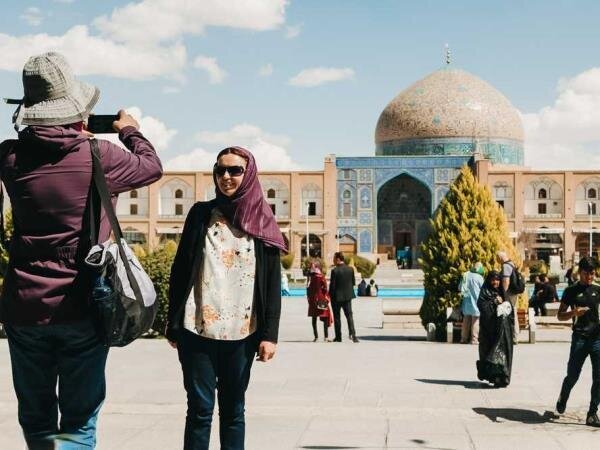
TEHRAN – Iran is observing early signs of a return in foreign tourist arrivals as conditions stabilize following recent conflict, a senior tourism official said on Wednesday, adding that infrastructure and planning are in place to support a broader recovery in the sector.
Anoushirvan Mohseni-Bandpey, Deputy Minister of Tourism at the Ministry of Cultural Heritage, Tourism and Handicrafts, said the country was preparing to host larger numbers of international visitors once a ceasefire is secured or hostilities fully subside.
Speaking at a meeting attended by Minister Seyyed Reza Salehi-Amiri, Mohseni-Bandpey said groundwork had been laid for a “surge” in tourism activity, citing improved infrastructure and strategic planning.
He pointed to a 48.5% rise in foreign tourist arrivals in the first month of the previous Iranian year as evidence of growing demand, attributing the increase to active tourism diplomacy and engagement with target markets. As part of these efforts, Iran hosted 16 tour operators from 26 countries in May last year to promote its tourism offerings internationally.
“With the easing of wartime conditions and the stabilization of the situation, the country must be fully prepared to accommodate a significant influx of foreign tourists,” he said, adding that “real demand” for travel to Iran exists and requires careful management.
Mohseni-Bandpey also highlighted the role of media and private sector organizations in advancing tourism goals, calling for greater transparency, accountability and stakeholder engagement. “Tourism managers should maintain continuous interaction with media and stakeholders without hesitation,” he said.
He said recent approvals related to Iran’s seventh national development plan marked an important step in facilitating progress in the tourism industry, creating conditions for growth at both domestic and international levels.
The official noted a shift in approach to provincial travel, referencing more than 80 provincial visits by the minister that focused on counties with tourism, cultural heritage and handicraft potential. He said this broader approach would support more balanced regional development.
Iran has also divided the country into nine tourism regions and deployed managers locally to improve oversight, particularly during crises. The use of modern technologies and real-time monitoring of travel flows has enabled faster and more precise decision-making, he said.
Mohseni-Bandpey described the national Travel Services Coordination Headquarters as a key pillar of tourism governance, playing a central role in managing travel and ensuring coordination across sectors.
He added that a draft strategic tourism document based on multiple scenarios had been prepared, focusing on preservation, resilience and rebuilding Iran’s national tourism brand. Government-backed support and incentive packages for tourism stakeholders have also been finalized following directives from the president, he said, aiming to sustain operations and strengthen the sector’s long-term recovery.
According to Salehi-Amiri, Iran generated about $7.4 billion from foreign tourism in the past Iranian calendar year (ended in March 2025), with more than 7 million international visitors arriving in the country.
AM
Leave a Comment